What Is Farmhouse Saint-Nectaire?
French cheese-making traditions are closely connected to regional landscapes, agricultural knowledge, and generations of dedicated producers. Among the celebrated cheeses of central France, Farmhouse Saint-Nectaire (Saint-Nectaire fermier) holds a distinctive position because of its traditional production methods and characteristic flavour. Originating in the Auvergne region, this cheese reflects the relationship between dairy farming, local craftsmanship, and natural maturation. Its distinctive appearance and carefully developed taste make it an interesting choice for people who appreciate authentic regional food.
Where Does Saint-Nectaire Cheese Come From?
Saint-Nectaire takes its name from a village in the Auvergne region, located in the Puy-de-Dôme area. Its identity is closely associated with the surrounding volcanic landscapes and traditional cattle farming.
The protected designation of origin recognises the geographical connection and production traditions behind this cheese. This protection helps preserve its regional character while maintaining established standards of production.
How Is Farmhouse Saint-Nectaire Traditionally Made?
Farmhouse production begins with raw cow’s milk collected during the daily milking process. The fresh milk is transferred into a production vat, where suitable cultures and rennet encourage coagulation.
Once the curd develops, cheesemakers cut and work it before placing it into moulds. Pressing helps remove whey and creates the characteristic structure of the cheese. After salting, the young cheese moves into an ageing cellar.
Each stage requires attention because the quality of the milk, handling of the curd, and conditions during maturation influence the finished product.
What Makes Its Appearance Recognisable?
Traditional Saint-Nectaire is known for its natural, darker rind, which develops during ageing. Its surface may display different shades and natural mould characteristics.
Inside, the paste generally has a supple, creamy texture. These visual and structural characteristics reflect the traditional maturation process rather than an artificially uniform appearance.
How Does the Ageing Process Influence Flavour?
Ageing is an essential part of developing Saint-Nectaire’s character. During maturation, the cheese gradually develops its aroma, texture, and flavour complexity.
Natural cellar conditions influence this transformation. Temperature, humidity, and regular care contribute to the development of the rind and interior paste.
The resulting flavour can offer earthy, nutty, creamy, and gently mushroom-like notes. Individual farmhouse cheeses may differ because every producer brings particular characteristics to the process.
Is Farmhouse Saint-Nectaire Different From Dairy Saint-Nectaire?
Yes. Both varieties share the protected designation, but their production methods differ.
Farmhouse Saint-Nectaire is made at the farm using raw milk from the producer’s own dairy operation. Dairy Saint-Nectaire is produced in a dairy facility using collected and pasteurised milk. These differences influence the cheese’s appearance, consistency, and flavour profile.
Understanding the distinction helps customers select a cheese that matches their preferences.
How Should Saint-Nectaire Be Served?
For an enjoyable tasting experience, allow the cheese to reach a suitable serving temperature before cutting it. This helps reveal its natural aroma and creamy texture.
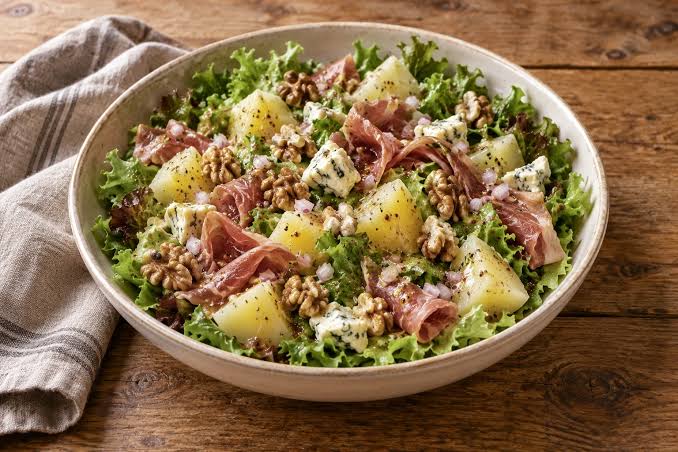
It pairs beautifully with rustic bread, seasonal fruit, walnuts, and regional dishes. It can also complement a carefully arranged cheese board.
Why Does This Cheese Remain Important?
Saint-Nectaire represents more than a traditional dairy product. It preserves agricultural knowledge, supports regional food culture, and celebrates the craftsmanship of Auvergne producers. Its distinctive qualities make it a meaningful choice for anyone interested in authentic French cheese.